
As the leaves begin to change color throughout Peekskill and temperatures start to drop, it's the perfect time to prepare your home for the upcoming fall and winter seasons. While many homeowners focus on winterizing their heating systems and cleaning gutters, the locks and security hardware protecting your home deserve equal attention. Fall weather in the Hudson Valley can be unpredictable, with fluctuating temperatures, increased rainfall, and the first hints of frost creating challenges for your home's locks and security systems. At Peekskill Locksmith Co., we've helped countless local homeowners maintain their locks through every season, and we've compiled this comprehensive fall checklist to help you protect your home's first line of defense against intruders and the elements.
Why Fall Lock Maintenance Matters
Fall serves as a critical transitional period that can significantly impact your locks' performance throughout the winter months. The combination of moisture from autumn rains, falling leaves, and temperature fluctuations can create the perfect conditions for lock deterioration. When moisture enters a lock mechanism and temperatures drop below freezing, expansion can occur, potentially causing internal damage that may not become apparent until you're locked out on a cold winter morning.
Additionally, fall is when many Peekskill residents begin spending more time indoors with doors and windows closed, making it essential to ensure all entry points are functioning properly and securely. Burglars often take advantage of the early darkness that fall brings, making robust, well-maintained locks more important than ever. A lock that's been weakened by summer heat and humidity may fail just when you need it most.
Regular maintenance during fall can extend the lifespan of your locks by years, saving you money on premature replacements. More importantly, it ensures your family's safety and security during the darker, colder months ahead. Taking time now to inspect and maintain your locks can prevent emergency lockout situations and potential security vulnerabilities that could compromise your home's protection.
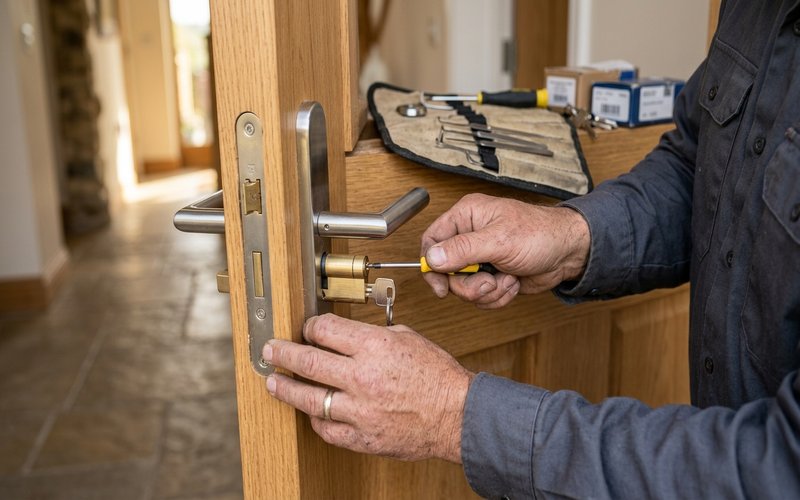
Inspect All Entry Points
Begin your fall locksmith checklist by conducting a thorough inspection of every entry point to your home. Walk around your property and test each door and window lock, paying special attention to areas you may not use frequently. Garage doors, side entrances, and basement access points often get overlooked but remain potential security vulnerabilities.
Check each lock for signs of wear, rust, or damage. Look for any discoloration around the lock mechanism, which could indicate moisture intrusion. Test the smoothness of operation – keys should turn easily without excessive force, and deadbolts should slide smoothly into their strike plates. If you notice any sticking, grinding, or difficulty operating a lock, it's time for maintenance or replacement.
Don't forget about storm doors and screen doors that you might have used throughout the summer. These should be inspected and secured properly for fall, as they provide an additional layer of protection against the elements and potential intruders. Check that all mounting hardware is tight and that locks engage properly.
Clean and Lubricate Lock Mechanisms
After summer's humidity and the accumulation of dust and debris, your locks need a thorough cleaning. Start by using compressed air to blow out any dirt, pollen, or small debris that may have accumulated inside the lock cylinder. This is especially important for exterior locks that have been exposed to the elements all summer.
Once cleaned, apply a graphite-based lubricant specifically designed for locks. Avoid using oil-based products like WD-40, as these can attract dirt and gum up the mechanism over time. Insert the lubricant nozzle into the keyway and apply a small amount, then insert and remove your key several times to distribute the lubricant throughout the pins and tumblers.
For deadbolts, apply lubricant to the bolt mechanism as well. Operate the lock several times to ensure smooth movement. If you have smart locks or electronic components, clean around these areas carefully with a soft, dry cloth, avoiding any moisture near electrical connections.
Weather-Strip and Seal Door Frames
While not directly related to lock mechanisms, the condition of your door frames and weather-stripping significantly impacts your locks' performance and your home's security. Fall is the ideal time to inspect and replace worn weather-stripping around all exterior doors.
Check that your doors close snugly against the weather-stripping. Gaps not only allow cold air to enter but can also allow moisture to reach your locks and door hardware. If you can see daylight around a closed door, it's time to replace the weather-stripping.
Ensure that door frames are properly sealed and that there's no wood rot or deterioration around lock strike plates. A lock is only as strong as the frame it's mounted in, and fall moisture can accelerate wood decay. Address any issues now before winter weather makes them worse.
Test and Replace Worn Keys
Examine all your keys for signs of wear, including worn teeth, bending, or cracking. A worn key can damage your lock's internal pins over time and is more likely to break off inside the lock during cold weather when metal becomes more brittle.
Make copies of any worn keys before they become problematic. Keep spare keys in secure locations, and consider providing trusted neighbors or family members with emergency copies. This is especially important heading into winter when lockout situations can be more than just inconvenient – they can be dangerous.
If you've been using the same keys for many years, fall is a good time to consider rekeying your locks, especially if you've had maintenance workers, contractors, or previous tenants who may have had access to keys.
Upgrade Outdoor Lighting
As daylight hours decrease throughout fall, adequate outdoor lighting becomes crucial for both security and safety. Well-lit entryways deter potential intruders and make it easier to operate your locks when arriving home after dark.
Install or upgrade motion-sensor lights near all entry points. These not only improve security but also make it easier to see your locks and keys when approaching your door. Consider smart lighting options that can be controlled remotely or set on timers to create the appearance of occupancy when you're away.
Ensure that existing light fixtures are working properly and replace any burnt-out bulbs. Clean fixtures that may have accumulated dirt or spider webs over the summer months. Good visibility around your locks is essential for both security and preventing fumbling with keys in the dark.
Check Window Locks and Latches
Windows are often overlooked in home security assessments, yet they represent significant potential entry points for intruders. Fall is the perfect time to inspect all window locks and latches throughout your home.
Test each window lock to ensure it engages properly. Many older window locks become loose over time or may not fully secure the window. Tighten any loose screws and replace worn or broken locks. For windows that don't lock securely, consider installing secondary locking mechanisms or security pins.
For basement windows, which are particularly vulnerable to break-ins, consider installing window well covers and additional security hardware. These often-neglected areas can be entry points during the darker fall evenings.
Fall Preparation for Winter Weather
Peekskill winters can be harsh on exterior locks. Preparing them now can prevent frozen locks and emergency situations later. Apply a thin coat of lock de-icer or graphite lubricant to all exterior locks, which can help prevent moisture from freezing inside the mechanism.
Consider installing lock covers or shields on exterior locks that are particularly exposed to the elements. These inexpensive additions can significantly extend your locks' lifespan by protecting them from rain, snow, and ice.
For homes with smart locks or electronic components, ensure batteries are fresh and that you have backup power options or mechanical key overrides accessible. Cold weather can drain batteries faster than normal.
Consider Security System Integration
Fall is an excellent time to evaluate whether your current lock systems could benefit from integration with a comprehensive home security system. Modern smart locks can provide keyless entry, remote access control, and notifications when doors are opened or left unlocked.
If you already have smart locks, verify that all software and firmware are updated to the latest versions. Check that your Wi-Fi signal reaches all smart lock locations adequately, as connectivity issues can compromise convenience and security.
For traditional lock systems, consider whether upgrading to high-security locks or adding deadbolts would improve your home's protection during the months when darkness comes early and homes may be vacant during holiday travel.
Garage Door and Lock Maintenance
Your garage often serves as a primary entry point and houses valuable tools, equipment, and vehicles. Fall maintenance should include inspecting the garage door lock mechanism, testing automatic opener safety features, and ensuring that the door from your garage into your home has a high-quality deadbolt.
Lubricate garage door lock mechanisms and check that manual locks engage properly if you use them. If you have an automatic opener, test the emergency release mechanism to ensure it works smoothly. Change the access code if you haven't done so recently, especially if you've had service work done or if contractors have had access.
Create a Home Security Routine
As you prepare your home for fall, establish security routines that will serve you well throughout the darker months. Make it a habit to check that all doors and windows are locked before bed and when leaving the house. With earlier sunsets, consider locking doors earlier in the evening.
Create a checklist for vacation preparedness, including having a trusted neighbor collect mail, using timers for lights, and ensuring all locks are in perfect working order before extended absences. Fall holidays often mean travel, making these preparations essential.
Need Professional Help?
While many items on this fall locksmith checklist can be handled with basic DIY maintenance, some situations require professional expertise. If you discover locks that are severely worn, damaged, or not functioning properly, or if you're considering upgrading your home's security system, the experienced team at Peekskill Locksmith Co. is here to help.
Our local locksmiths understand the specific challenges that Peekskill homes face with changing seasons and can provide expert recommendations tailored to your property. Whether you need lock rekeying, high-security lock installation, smart lock setup, or emergency lockout services, we're your trusted neighbors serving the community at 1031 Elm St.
Don't wait until a lock fails or you're facing a security concern. Taking proactive steps this fall will ensure your home remains secure and your locks function flawlessly throughout the winter months. A small investment in maintenance now can prevent costly emergency repairs and provide invaluable peace of mind.
Contact Peekskill Locksmith Co. today to schedule a comprehensive lock inspection or to discuss upgrading your home's security before winter arrives. Our team is ready to help you complete your fall locksmith checklist and ensure your home is protected for the season ahead.