
Finding yourself locked out of your home, car, or business is one of those experiences that can quickly turn a good day into a frustrating one. Whether you're dealing with an emergency lockout situation or planning to upgrade your home security system, choosing the right locksmith in Peekskill is crucial. The locksmith industry, unfortunately, has its share of scammers and unqualified technicians who can take advantage of people in vulnerable situations. That's why understanding how to identify a trustworthy, professional locksmith is essential for every Peekskill resident and business owner.
At Peekskill Locksmith Co., serving the community from our location at 1031 Elm St, we believe that an informed customer is an empowered customer. This comprehensive guide will walk you through everything you need to know about selecting the best locksmith for your needs, protecting yourself from scams, and understanding what quality locksmith services should look like in 2024.
Understanding the Role of Professional Locksmiths
Before diving into how to choose the best locksmith, it's important to understand what a professional locksmith actually does. A locksmith, sometimes called a lock technician or security specialist, is a trained professional who specializes in locks, keys, and security systems. Their expertise extends far beyond simply making duplicate keys.
Modern locksmiths provide a wide range of services including emergency lockout assistance, lock installation and repair, key cutting and duplication, rekeying services, security system installation, safe opening and repair, and access control system management. In today's digital age, many locksmiths also specialize in electronic locks, smart home security integration, and transponder key programming for vehicles.
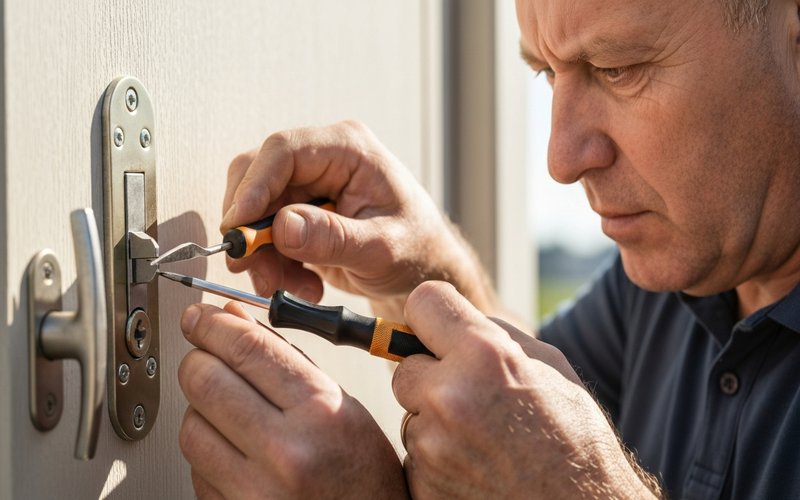
The best locksmiths combine traditional lock-and-key expertise with modern technology skills. They stay current with the latest security innovations and continually update their knowledge to serve customers effectively. This blend of old-school craftsmanship and new-age technology is what separates exceptional locksmiths from mediocre ones.
Essential Credentials and Qualifications to Look For
When searching for a locksmith in Peekskill, credentials should be your first checkpoint. A legitimate locksmith will have proper licensing, insurance, and certifications that demonstrate their qualifications and protect you as a customer.
Licensing Requirements
In New York State, locksmiths are required to be licensed. Always ask to see a locksmith's license before allowing them to work on your property. A licensed locksmith has met state requirements for training and background checks, giving you peace of mind that you're working with a legitimate professional.
Insurance Coverage
A reputable locksmith should carry both liability insurance and workers' compensation insurance. Liability insurance protects you if the locksmith accidentally damages your property during service. Workers' compensation protects you from liability if the locksmith is injured while working on your property. Never hesitate to ask for proof of insurance – professional locksmiths will readily provide this information.
Professional Certifications
Look for locksmiths who hold certifications from recognized organizations such as the Associated Locksmiths of America (ALOA). These certifications indicate that the locksmith has undergone additional training and adheres to industry standards and ethical practices. Certified locksmiths are more likely to use proper techniques and stay updated on the latest security technologies.
How to Verify a Locksmith's Legitimacy
Knowing you can trust a locksmith comes down to doing your homework and watching for specific indicators of legitimacy. Here are the key steps to verify you're working with a trustworthy professional:
Check Their Physical Location
A legitimate locksmith business will have a physical storefront or office location. Be wary of locksmiths who only operate out of vehicles or can't provide a verifiable business address. At Peekskill Locksmith Co., we're proud to serve the community from our established location at 1031 Elm St, Peekskill, NY 10566. Having a physical presence in the community demonstrates commitment and accountability.
Verify Their Online Presence
In today's digital world, a professional locksmith should have an established online presence. Look for a professional website with detailed service information, customer reviews on multiple platforms like Google, Yelp, and the Better Business Bureau, clear contact information including a local phone number, and photos of their team and facility. Be suspicious of locksmiths with no online footprint or those with only generic, template-based websites.
Read Customer Reviews and Testimonials
Customer reviews provide valuable insights into a locksmith's reliability, professionalism, and quality of work. Look for patterns in reviews rather than focusing on single comments. A few negative reviews among many positive ones is normal, but consistent complaints about pricing, quality, or professionalism are red flags. Pay attention to how the business responds to negative reviews – professional companies address concerns constructively.
Ask for Recommendations
Word-of-mouth recommendations from friends, family, neighbors, and local businesses remain one of the most reliable ways to find a trustworthy locksmith. People in your community who have had positive experiences can provide honest feedback about pricing, quality, and customer service.
Red Flags and Warning Signs to Avoid
Unfortunately, locksmith scams are common, particularly in emergency situations when people are desperate for help. Being able to identify warning signs can save you from becoming a victim of fraud or poor service.
Unmarked Vehicles
Professional locksmiths arrive in clearly marked company vehicles with logos, contact information, and identification numbers. If a locksmith shows up in an unmarked personal vehicle, consider this a major red flag.
Unwillingness to Provide Information
Legitimate locksmiths will gladly provide their business name, license number, and proof of insurance before starting work. If a locksmith is evasive about providing credentials or seems reluctant to answer questions, find someone else.
Significant Price Changes
While minor price adjustments based on the actual work required are normal, be wary of dramatic price increases from the initial quote. Scam locksmiths often quote low prices over the phone, then dramatically inflate costs once they arrive. Always get a detailed written estimate before work begins.
Insistence on Drilling or Replacing Locks
In most cases, a skilled locksmith can open a locked door without drilling or damaging the lock. If a locksmith immediately insists on drilling or replacing your locks without attempting other methods first, they may lack proper skills or be trying to increase their bill unnecessarily.
Cash-Only Payments
While some legitimate businesses prefer cash, insisting on cash-only payments with no other options is suspicious. Professional locksmiths typically accept multiple payment methods including credit cards, which provide consumer protections and create a paper trail.
Understanding Locksmith Pricing
One of the most common questions people have is about locksmith pricing. Understanding typical costs helps you identify fair pricing and avoid overcharges.
Average Costs for Common Services
The average price to change a door lock typically ranges from $75 to $200, depending on the type of lock and complexity of the installation. Standard residential lockout services usually cost between $50 to $150 during business hours, with after-hours emergency services costing more. Key duplication for standard house keys ranges from $2 to $6 per key, while car key duplication can cost anywhere from $50 to $400 depending on whether it includes transponder programming or key fob programming.
Rekeying locks is generally more affordable than complete replacement, typically costing $40 to $100 per lock. Commercial services tend to be priced higher due to more complex security systems and specialized equipment requirements.
Factors Affecting Locksmith Costs
Several factors influence locksmith pricing including time of day (emergency and after-hours services cost more), complexity of the job, type of lock or security system, whether replacement parts are needed, and distance traveled to your location. Understanding these factors helps you assess whether a quote is reasonable.
Getting Accurate Quotes
When contacting a locksmith, provide as much detail as possible about your situation to receive an accurate quote. Describe the type of lock, the specific problem you're experiencing, and whether you need emergency service. Ask for a written estimate that breaks down labor costs, parts costs, and any additional fees. Reputable locksmiths will provide clear, transparent pricing information upfront.
What Proof and Information You'll Need
Many people wonder what proof they need to provide when hiring a locksmith, particularly for lockout situations. This is an important question because legitimate locksmiths have protocols to prevent unauthorized access to properties.
For Residential Services
For residential lockouts, locksmiths typically require proof that you live at the address. This can include a driver's license showing the property address, utility bills or lease agreements with your name and address, mail addressed to you at that location, or identification plus the ability to answer security questions about the property.
These requirements protect both you and your neighbors by ensuring locksmiths don't provide access to potential burglars. A professional locksmith will always verify identity before providing lockout services.
For Vehicle Services
For car lockouts or key replacement, you'll need to prove vehicle ownership. Acceptable proof includes vehicle registration, title documents, insurance cards, or a valid driver's license that matches the vehicle registration. Some situations may require additional verification, especially for newer vehicles with advanced security systems.
For Commercial Properties
Commercial locksmith services require verification of authorization to request the service. This might include business identification, authorization letters from property owners or managers, or contact with property management to confirm permission.
Understanding these requirements ahead of time helps expedite service when you need it most.
Types of Locks and What Locksmiths Can (and Can't) Open
A common question is whether there are locks that locksmiths cannot open. While professional locksmiths can handle the vast majority of lock types, some situations present unique challenges.
Commonly Serviced Lock Types
Professional locksmiths regularly work with traditional pin tumbler locks, deadbolts, mortise locks, cam locks, padlocks, electronic and smart locks, keypad entry systems, and magnetic locks. Modern locksmiths are trained on both mechanical and electronic locking systems, giving them versatility across different security types.
Challenging Lock Situations
Some locks present particular challenges, though most can still be opened by skilled professionals. High-security locks with specialized keyways may require specific tools or techniques. Severely damaged locks might need replacement rather than simple opening. Some antique or unusual locks may require specialized knowledge. Certain government or military-grade security systems are designed to resist even professional lock-picking attempts.
Safes, particularly high-quality models, sometimes require specialized safe technicians rather than general locksmiths. The best locksmith companies either have safe specialists on staff or can refer you to trusted colleagues.
Advanced Lock Technologies
Modern security systems have introduced new complexities. Biometric locks, smart home integration systems, and advanced electronic access control systems require locksmiths to have both traditional skills and technical knowledge. When choosing a locksmith, consider whether they have experience with your specific type of security system.
Emergency vs. Scheduled Services
Understanding the difference between emergency and scheduled locksmith services helps you make informed decisions about when and how to contact a locksmith.
Emergency Locksmith Services
Emergency situations include home, car, or business lockouts, broken keys stuck in locks, lock malfunctions preventing entry or exit, lost keys requiring immediate access, or security breaches requiring urgent lock changes. Emergency services typically cost more than scheduled appointments due to immediate response requirements and potential after-hours timing.
When facing a locksmith emergency, stay calm and prioritize safety. If you're locked out in an unsafe location or weather conditions, seek shelter while waiting for the locksmith. If you've experienced a break-in, contact police before the locksmith to file a report.
Scheduled Locksmith Appointments
Many locksmith services are better handled through scheduled appointments, including lock upgrades for improved security, rekeying after moving into a new home, installation of new security systems, routine maintenance on commercial access control systems, and safe installation or maintenance.
Scheduled appointments often come with cost savings and allow time for proper planning and parts ordering if needed. They also give you time to research and choose the best locksmith rather than hiring whoever is available in an emergency.
Specialized Locksmith Services
Beyond basic lock and key services, many locksmiths offer specialized services that address specific security needs.
Transponder Key Programming
Modern vehicles use transponder keys with embedded chips that communicate with the vehicle's computer system. Programming these keys requires specialized equipment and knowledge. When you need transponder key programming, ensure your locksmith has experience with your vehicle's make and model. Quality automotive locksmiths invest in up-to-date programming equipment and maintain databases of key codes for different vehicle manufacturers.
Smart Home Security Integration
As smart home technology becomes increasingly popular, many locksmiths now offer installation and integration services for smart locks, video doorbells, and comprehensive home security systems. These services bridge traditional locksmithing with modern technology, requiring both mechanical expertise and digital savvy.
Commercial Security Solutions
Businesses have unique security needs that go beyond residential requirements. Commercial locksmiths offer master key systems allowing different access levels, access control systems with electronic credentials, panic bars and emergency exit devices, high-security locks for protecting valuable assets, and safe installation and servicing.
When choosing a locksmith for commercial needs, look for those with specific commercial experience and understanding of business security requirements.
Questions to Ask Before Hiring a Locksmith
Armed with the right questions, you can quickly assess whether a locksmith meets professional standards. Here are essential questions to ask:
About Credentials:
- Are you licensed and insured?
- Can you provide proof of licensing and insurance?
- Do you have any professional certifications?
- What is your estimated cost for this service?
- Are there additional fees for after-hours service?
- Do you charge a service call fee?
- What payment methods do you accept?
- Can you provide a written estimate?
- How soon can you arrive?
- Will you attempt to open the lock before replacing it?
- What is your warranty or guarantee policy?
- Do you have experience with my specific lock type or vehicle model?
- How long have you been in business?
- What is your physical business address?
- Can you provide references or customer reviews?
Building a Relationship with a Trusted Locksmith
Rather than scrambling to find a locksmith during an emergency, consider establishing a relationship with a trusted local locksmith before you need urgent services.
Benefits of Having a Go-To Locksmith
When you work with the same locksmith consistently, you build a relationship that offers several advantages. They become familiar with your property's security systems, can keep key codes on file for future needs, often provide loyalty discounts or priority service, and you have the peace of mind of knowing you're working with a trusted professional.
Maintaining Your Security Systems
Regular maintenance prevents many lock and security system problems. Schedule periodic check-ups for commercial properties, have locks serviced when they become sticky or difficult to operate, and update security systems as technology advances. A trusted locksmith can advise you on when upgrades are worthwhile and help you maintain optimal security.
Local Expertise Matters
Choosing a local locksmith from Peekskill offers distinct advantages over national chains or out-of-area services.
Community Accountability
Local businesses depend on their community reputation. Locksmiths with physical locations in Peekskill have a vested interest in providing excellent service because they'll face you and your neighbors again. This community accountability encourages fair pricing, quality work, and professional conduct.
Faster Response Times
Local locksmiths can respond more quickly to emergencies because they're already in the area. When you're locked out in cold weather or facing a security concern, those saved minutes matter significantly.
Knowledge of Local Security Needs
Locksmiths who work regularly in Peekskill understand the area's specific