
When it comes to securing your home, business, or vehicle in Peekskill, NY, understanding locksmith services can save you time, money, and considerable stress. Whether you're dealing with an emergency lockout, considering upgrading your security system, or simply maintaining your existing locks, knowing what to look for in professional locksmith services is invaluable. At Peekskill Locksmith Co., we've compiled our years of experience serving the Peekskill community into this comprehensive guide to help you make informed decisions about your security needs.
Understanding Professional Locksmith Services
Professional locksmith services extend far beyond simply cutting keys or helping you get back into your home after a lockout. Modern locksmiths are security experts who stay current with the latest technology and security threats. When you work with a qualified locksmith in Peekskill, you're accessing a wealth of knowledge about mechanical and electronic security systems, key management, and property protection strategies.
A reputable locksmith company should offer a comprehensive range of services including residential, commercial, automotive, and emergency locksmith solutions. These services encompass everything from traditional lock installation and repair to advanced smart lock systems, master key systems, and high-security lock solutions. Understanding the breadth of services available helps you recognize when you need professional assistance and what to expect from your locksmith provider.
The locksmith industry has evolved significantly with technological advancements. Today's locksmiths must be proficient in both traditional mechanical locks and cutting-edge electronic security systems. This dual expertise ensures that whether you have a vintage door lock or a modern smart lock system, you'll receive knowledgeable service from experienced professionals who understand the unique security challenges facing Peekskill residents and businesses.
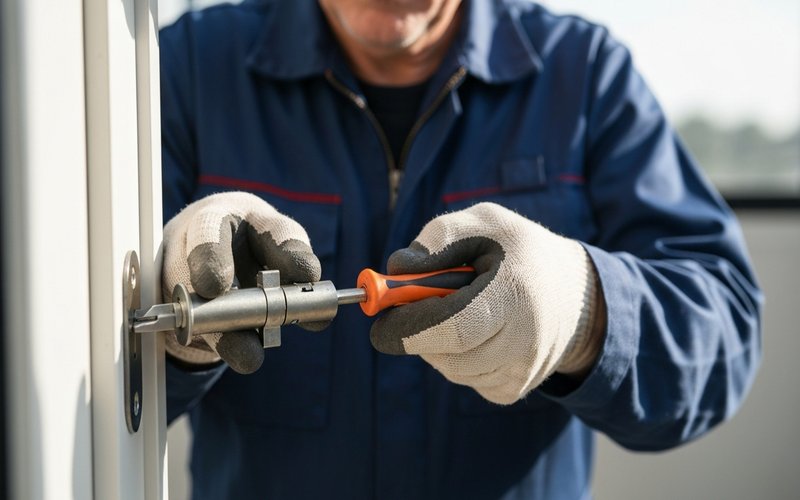
Choosing a Reliable Locksmith in Peekskill
Selecting the right locksmith is crucial for your security and peace of mind. Unfortunately, the locksmith industry has its share of unscrupulous operators who take advantage of people in vulnerable situations. Knowing how to identify a trustworthy locksmith protects you from scams and ensures quality service.
First and foremost, always verify that the locksmith has a physical business address. Peekskill Locksmith Co. operates from 1031 Elm St, Peekskill, NY 10566, providing our customers with a legitimate, verifiable location. Be wary of locksmith services that only provide a phone number or use generic names without a specific address. A physical storefront demonstrates commitment to the community and accountability for services rendered.
Check for proper licensing and insurance. While New York State doesn't require specific locksmith licensing, reputable locksmiths carry general business licenses and comprehensive insurance coverage. This insurance protects both you and the locksmith in case of accidental damage during service. Don't hesitate to ask for proof of insurance before allowing work to begin on your property.
Research online reviews and testimonials from other Peekskill residents. Look for patterns in customer feedback rather than focusing on isolated incidents. Consistent praise for punctuality, fair pricing, professionalism, and quality workmanship indicates a reliable service provider. Local community reputation matters significantly in the locksmith business, as word-of-mouth recommendations reflect genuine customer experiences.
Request detailed quotes before authorizing work. Legitimate locksmiths provide upfront pricing or at minimum, clearly explain their pricing structure. Be suspicious of quotes that seem unusually low, as they often hide additional fees that appear once the work is underway. Quality locksmith services come at fair market rates that reflect the expertise, equipment, and overhead costs involved in professional security work.
Emergency Lockout Situations: What You Need to Know
Lockouts happen to everyone eventually, and knowing how to handle them calmly and efficiently makes all the difference. Whether you're locked out of your home, car, or business, following proper procedures ensures your safety and minimizes costs.
Stay calm and assess your situation before making calls. Check all possible entry points that might be unlocked, but never attempt to break windows or force doors open, as this creates security vulnerabilities and expensive repair bills. Verify your location and gather important information like your address and the type of lock involved before contacting a locksmith.
For home lockouts, consider whether you have spare keys with trusted neighbors, family members, or friends in the area. However, if you're alone or it's late at night, calling a professional emergency locksmith is the safest option. Never hide spare keys in obvious outdoor locations like under doormats, in planters, or above door frames, as these are the first places burglars check.
Automotive lockouts require specialized equipment and expertise. Modern vehicles often have sophisticated anti-theft systems that require professional knowledge to bypass without causing damage. Attempting DIY methods found online can result in expensive damage to your vehicle's locking mechanism, windows, or electronic systems. Professional automotive locksmiths have the proper tools to safely unlock your vehicle without causing harm.
When calling for emergency locksmith services, be prepared to provide specific information about your location, the type of lock, and whether you need the lock opened, rekeyed, or replaced. This information helps the locksmith arrive prepared with the appropriate tools and parts, reducing service time and costs.
Residential Lock Maintenance Tips
Proper lock maintenance extends the lifespan of your security hardware and ensures reliable operation when you need it most. Many homeowners in Peekskill overlook basic lock maintenance until problems arise, but preventive care is simple and cost-effective.
Lubricate your locks at least twice annually using graphite powder or specialized lock lubricant. Avoid using oil-based lubricants like WD-40, which attract dust and dirt that eventually gum up the lock mechanism. Apply lubricant by inserting the nozzle directly into the keyway and dispensing a small amount, then work a key in and out several times to distribute the lubricant throughout the mechanism.
Inspect your locks regularly for signs of wear, corrosion, or looseness. Check that strike plates remain firmly attached to door frames and that deadbolts extend and retract smoothly. Tighten any loose screws you discover, as loose hardware compromises security and accelerates wear on lock components.
Clean your keys periodically to prevent dirt transfer into locks. Dirty keys gradually deposit grime inside lock cylinders, leading to sticky or jammed mechanisms. Simply wiping keys with a damp cloth removes most accumulated dirt and oils.
Address sticking or difficult-to-turn locks immediately rather than forcing them. Forcing a stuck lock can break keys inside the cylinder or damage internal components, turning a minor adjustment into an expensive repair. Professional locksmiths can often resolve sticking locks with simple cleaning and lubrication.
Consider the impact of weather on your exterior locks. Peekskill's climate includes cold winters that can cause locks to freeze and humid summers that promote corrosion. Weather-resistant locks and regular maintenance help combat these environmental challenges.
Upgrading Your Home Security
Home security technology has advanced dramatically in recent years, offering Peekskill homeowners numerous options for enhancing protection. Understanding available upgrades helps you make informed decisions about security investments.
Deadbolts remain the foundation of residential security. If your home relies solely on key-in-knob locks, upgrading to deadbolts significantly improves security. Grade 1 deadbolts offer the highest security rating and feature one-inch throw bolts, anti-saw pins, and hardened steel construction that resists drilling, prying, and other forced entry attempts.
Smart locks represent the cutting edge of residential security, offering keyless entry through smartphones, key codes, or biometric authentication. These locks provide convenient features like remote access, temporary guest codes, and activity logs that track who enters your home and when. However, smart locks require proper installation and setup to function reliably, making professional installation worthwhile.
High-security locks incorporate patented key designs that prevent unauthorized duplication. Unlike standard keys that can be copied at any hardware store, high-security keys require authorization and can only be duplicated by authorized dealers. This key control prevents former tenants, contractors, or others from making unauthorized copies.
Reinforced strike plates strengthen the door frame, which is often the weakest point in residential security. Standard strike plates attach with short screws that pull out easily during forced entry attempts. Upgrading to reinforced strike plates with three-inch screws that anchor into wall studs dramatically increases resistance to kick-ins.
Window locks and secondary security devices protect vulnerable entry points that burglars frequently exploit. Even ground-floor windows with standard locks benefit from additional security bars or pin locks that prevent windows from being opened from outside.
Commercial Locksmith Services: Protecting Your Business
Business security requirements differ significantly from residential needs, requiring specialized knowledge and solutions. Peekskill businesses face unique challenges including employee access management, regulatory compliance, and protection of valuable assets and sensitive information.
Master key systems provide hierarchical access control that allows business owners to carry a single master key while distributing restricted keys to employees. These systems let you grant different access levels to various staff members, ensuring that employees can access areas necessary for their duties while restricting entry to sensitive locations like offices, storage rooms, or cash handling areas.
Commercial grade locks withstand higher usage volumes than residential locks and meet stringent durability standards. Businesses experience significantly more lock cycles than homes, requiring heavy-duty hardware that maintains security despite constant use. Investing in commercial-grade locks prevents frequent replacements and security vulnerabilities from worn components.
Panic bars and exit devices ensure compliance with fire codes and building regulations while maintaining security. These devices allow quick egress during emergencies while preventing unauthorized entry from outside. Professional installation ensures these critical safety devices function properly and meet all applicable codes.
Access control systems offer sophisticated security management for businesses requiring detailed tracking and flexible access schedules. Electronic access control eliminates concerns about lost keys or unauthorized duplication while providing comprehensive audit trails of who accessed which areas and when. Modern systems integrate with other security measures like surveillance cameras and alarm systems for comprehensive protection.
Rekeying services provide cost-effective security updates when employee turnover occurs or keys are lost. Rather than replacing entire lock systems, rekeying changes the internal pins so existing keys no longer work while new keys operate the locks. This process costs significantly less than full lock replacement while restoring security.
Automotive Locksmith Tips
Vehicle security has become increasingly sophisticated, requiring specialized knowledge and equipment. Understanding automotive locksmith services helps you address car key and lock issues efficiently.
Modern car keys contain electronic transponder chips that communicate with your vehicle's immobilizer system. These transponder keys prevent vehicle theft by requiring the correct electronic signal in addition to the proper mechanical cut. Duplicating transponder keys requires programming equipment to match the new key to your vehicle's computer system, making professional service necessary.
Key fob replacement and programming addresses issues with remote entry systems. When key fobs stop working, the problem might be as simple as battery replacement or as complex as reprogramming or replacement. Professional automotive locksmiths diagnose these issues and provide appropriate solutions, often at lower costs than dealership service.
Ignition repair and replacement services address worn ignitions that make starting your vehicle difficult. Ignition cylinders wear over time, eventually making keys hard to turn or preventing ignition altogether. Experienced locksmiths repair or replace ignition cylinders and can often rekey new ignitions to work with your existing keys.
Extraction of broken keys requires specialized tools and expertise. Keys break inside locks due to wear, forcing, or manufacturing defects. Attempting to extract broken key fragments yourself often pushes them deeper into the lock, complicating professional removal. Locksmiths have extraction tools designed specifically for removing broken key pieces without damaging lock cylinders.
Spare key creation before emergencies occur saves time and stress. Having spare keys made proactively costs less than emergency service calls and ensures you're prepared for lost or broken keys. Store spare keys securely, perhaps with trusted family members rather than hidden on your vehicle.
Understanding Lock Types and Security Levels
Different locks provide varying security levels appropriate for different applications. Understanding these differences helps you select appropriate hardware for your specific needs.
Pin tumbler locks represent the most common lock type, using a series of spring-loaded pins that must align at the shear line to allow the cylinder to turn. These locks come in various security grades, with higher-grade versions incorporating additional pins, security pins, and hardened components that resist picking and drilling.
Wafer tumbler locks offer lower security than pin tumbler designs and are commonly found in filing cabinets, desk drawers, and older vehicles. These locks use flat wafers instead of pins and provide adequate security for low-risk applications but should not be used for primary home or business security.
Electronic locks eliminate traditional keys in favor of keypads, card readers, biometric scanners, or smartphone control. These locks offer convenience and advanced features but require power sources and occasional maintenance of electronic components. Battery backup ensures operation during power outages.
Magnetic locks use electromagnetic force to secure doors and are common in commercial applications. These locks provide strong holding force and integrate easily with access control systems, but require careful installation to ensure proper alignment and consistent contact between the lock and strike plate.
Mortise locks feature a pocket (mortise) cut into the door edge to house the lock body, providing superior strength and durability compared to cylindrical locks. Common in commercial applications and older buildings, mortise locks offer excellent security when properly installed and maintained.
Smart locks integrate with home automation systems and offer keyless convenience through various authentication methods. While convenient, smart locks require regular software updates and proper cybersecurity practices to prevent digital vulnerabilities from compromising physical security.
Key Duplication and Key Control
Key management significantly impacts your overall security. Understanding proper key duplication practices and key control measures prevents unauthorized access to your property.
Have keys duplicated by reputable locksmiths rather than automated kiosks or unqualified vendors. Professional locksmiths ensure accurate duplication using quality blanks and precision cutting equipment. Poor quality duplicates wear quickly, potentially damaging locks or breaking inside cylinders.
Implement key control policies for your home or business. Track who has keys to your property and collect keys from employees, contractors, or tenants when they no longer require access. This simple practice prevents unauthorized entry from forgotten or unreturned keys.
Mark keys discreetly rather than attaching address information. Keys marked with addresses become security risks if lost or stolen, providing potential criminals with both access tools and target locations. Use discreet coding systems or color coding instead of identifying information.
Consider restricted keyways for sensitive applications. Restricted keyways use patented key designs available only through authorized dealers, requiring identification and authorization for duplication. This control prevents unauthorized copying and helps you track all existing keys.
Audit your keys periodically, accounting for all copies and assessing whether all distributed keys remain necessary. Employees who change positions may no longer need access to certain areas, and collecting unused keys reduces security risks from lost or stolen keys.
Preventing Common Lock Problems
Many lock problems are preventable through awareness and proper usage. Understanding common issues helps you avoid inconvenient and costly lock failures.
Avoid using excessive force on keys or locks. Forcing sticky locks damages internal components and can break keys inside cylinders. If a key doesn't turn smoothly, investigate the cause rather than applying more force. Often, simple lubrication resolves the issue without damage.
Protect exterior locks from weather exposure when possible. While exterior locks are designed for outdoor use, additional protection from direct rain, snow, and extreme temperatures extends their lifespan. Door overhangs and weather shields reduce exposure to harsh elements.
Address misaligned doors and frames promptly. Building settling, temperature changes, and normal wear can cause doors to shift, misaligning locks and strike plates. This misalignment forces locks to work harder, accelerating wear and potentially causing lock failure. Adjusting hinges or strike plates corrects alignment and restores smooth operation.
Use keys gently and avoid using them as tools. Keys are precisely manufactured to specific tolerances and are surprisingly fragile. Using keys to open packages, pry items, or perform other tasks can bend or damage them, leading to broken keys in locks.
Keep locks clean and free from debris. Dust, dirt, and grime accumulate inside lock cylinders over time, causing sticking and potentially preventing operation. Periodic cleaning prevents buildup and maintains smooth function.
Smart Home Security Integration
Integrating locks with comprehensive smart home systems offers enhanced security and convenience. Understanding integration options helps you create cohesive security solutions.
Smart locks integrate with home automation platforms like Amazon Alexa, Google Home, and Apple HomeKit, enabling voice control and automation scenarios. You can create routines that automatically lock doors at bedtime or when you leave home, ensuring consistent security without manual intervention.
Remote monitoring through smartphone apps provides peace of mind by confirming lock status from anywhere. Receive alerts when doors are unlocked